


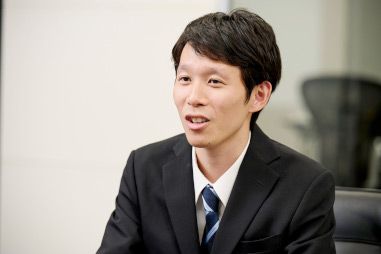
Shu Masuda
Qualification
Ph.D. (Pharmaceutical Sciences)
Practice Areas
Patent
Biotechnology/ Chemical, Materials Science
Education
Doctor of Pharmaceutical Sciences, The University of Tokyo
Master of Pharmaceutical Sciences, The University of Tokyo
Bachelor of Pharmaceutical Sciences, The University of Tokyo
Work Experience
Dr. Masuda engaged in research of tissue repair using Drosophila.
Research Content
At the Graduate School of Pharmaceutical Sciences, The University of Tokyo, he studied the mechanisms of tissue regeneration using Drosophila.
(1) The regeneration mechanisms in damaged tissues have been well studied, and various mechanisms have been clarified. On the other hand, the contributions to regeneration of tissues distant from the damaged tissues have been reported in recent years, but the mechanisms have not been well elucidated. Therefore, he searched for receptor genes that contribute to regeneration in remote tissues and clarified the contribution of neuropeptides and its receptor genes in nerve tissue, as remote tissue [1].
(2) Individual differences in regenerative capacity itself and the mechanisms that generate individual differences are largely unknown. Although genome sequences are similar among individuals, there are slight differences called genetic variants. Therefore, using a method to comprehensively identify genetic variants associated with a phenotype of interest, he searched for genetic variants and their associated genes that affect regeneration.
[1] Kashio, S., Masuda, S., & Miura, M. (2023). Involvement of neuronal tachykinin-like receptor at 86C in Drosophila disc repair via regulation of kynurenine metabolism. Iscience, 26(9).